Mastering the art of bluffing: Tips for poker enthusiasts
Understanding the Basics of Bluffing
At its core, bluffing is a crucial strategy in poker that involves convincing opponents that you hold a stronger hand than you actually do. The psychology behind bluffing is fascinating; it relies on your ability to read your opponents’ reactions and their willingness to fold. In addition, some players prefer using bitcoin betting sites to enhance their gaming experience through various online features. By presenting a confident demeanor and strong betting patterns, you can create the illusion of strength in your hand. This misdirection keeps your opponents guessing and, ideally, leads them to relinquish their cards.
Bluffing is not merely about having a good poker face; it involves a deep understanding of the game’s dynamics. Timing, position, and the table image you project play significant roles. For instance, bluffing from an early position may be perceived as weak, while a well-timed bluff from later in the betting rounds may carry more weight. Understanding these nuances helps you execute your bluffs more effectively and increases your chances of success.
Moreover, every player has their unique style, and your bluffing strategy should align with your personal approach to the game. Some players thrive on aggressive tactics, while others may prefer a more conservative style. Experimenting with different bluffing techniques, such as semi-bluffs or pure bluffs, can help you identify what works best for you and what keeps your opponents on their toes. Mastering the art of bluffing is about finding that sweet spot where confidence meets strategy.
Reading Your Opponents
The ability to read your opponents is a critical aspect of executing successful bluffs. Observing your opponents’ behaviors can provide valuable insights into their hand strength and propensity to fold. Look for patterns in their betting, such as how they react to raises or whether they tend to play aggressively or passively. This information can help you gauge when to bluff and when to play it safe.
Non-verbal cues, often referred to as “tells,” can also be significant indicators. For instance, a player who suddenly becomes quiet or fidgety may be feeling uncertain about their hand. Conversely, someone who’s overly talkative might be trying to distract you from a weaker position. Developing the skill to pick up on these signals enhances your bluffing arsenal and enables you to tailor your strategy to exploit the weaknesses of your opponents effectively.
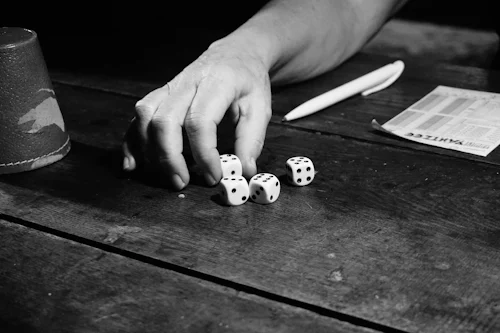
However, reading your opponents is a double-edged sword. The more you focus on their tells, the more you risk becoming predictable yourself. Therefore, it’s essential to maintain your composure and mix up your own behavior to avoid becoming too readable. Balancing your observations with a solid understanding of your gameplay ensures you can bluff effectively while still focusing on your strategy.
When to Bluff and When Not to
Recognizing the ideal moments to bluff is crucial for poker success. Effective bluffing typically occurs in specific scenarios, such as when you’re in a late position and face opponents who show weakness through their betting patterns. Bluffing against a single opponent who has demonstrated a tendency to fold can also be advantageous. Understanding the context of the hand and the dynamics at the table can dramatically increase the likelihood of a successful bluff.
Conversely, there are times when bluffing is a poor choice. If you’re facing multiple opponents who have shown strength in their betting, the risk of being called increases substantially. Additionally, bluffing too frequently can harm your overall game, as opponents may catch on and start calling your bluffs more often. An effective strategy involves knowing when to hold back and allowing your genuine hands to speak for themselves.
Moreover, consider the board texture before attempting a bluff. If the community cards are coordinated in a way that suggests possible strong hands, your bluff may be less convincing. Recognizing when the odds are against you and adjusting your strategy accordingly can help maintain your credibility at the table. A well-timed bluff should feel natural, and part of that comes from extensive experience and understanding of the game.
Building Confidence Through Practice
Like any skill, bluffing requires practice to master effectively. Engaging in mock games with friends or utilizing online poker platforms can help you develop your bluffing techniques without the high stakes of real money games. Experimenting with different styles and approaches allows you to discover what resonates best with your poker persona and what confuses your opponents.

It’s also beneficial to review your gameplay regularly. Watching replays of your hands and analyzing your decision-making process can offer insights into your bluffing strategy. Identifying moments where a bluff succeeded or failed can shape your understanding of what works and what doesn’t. Learning from both successes and mistakes is invaluable for developing a more nuanced approach to bluffing.
Moreover, building confidence is essential. The more you practice, the more comfortable you will become with your ability to bluff. This self-assurance translates into your body language and betting patterns, making your bluffs more persuasive. Ultimately, putting in the time and effort to practice can significantly enhance your overall poker skills, leading to a more rewarding experience at the table.
Conclusion and Resources for Further Learning
Mastering the art of bluffing is a compelling journey that engages the mind and hones your poker skills. A successful bluff can change the course of a game, turning potential losses into victories. By understanding the fundamentals, practicing regularly, and refining your ability to read opponents, you can elevate your game to new heights. Bluffing is all about balance; knowing when to push and when to fold is what sets successful players apart.
To further enhance your skills, exploring various resources is essential. Books, online tutorials, and poker forums are excellent avenues for expanding your knowledge base and gaining insights from experienced players. Engaging with a community of poker enthusiasts also provides a platform for sharing strategies and learning from each other’s experiences, ultimately enriching your understanding of the game.
In conclusion, the path to becoming a proficient bluffer is paved with experience and knowledge. As you continue to practice and delve deeper into the intricacies of poker, not only will your bluffing ability improve, but your overall strategic thinking will flourish. Embrace the challenge and enjoy the thrill of the game as you work towards becoming a master of bluffing in poker.